Affordable homeownership in NYC neighborhoods has been sitting on a razor’s edge, leaving advocates and community allies to grapple with powerful interests in order to ensure stability each year. And every year, lawmakers across New York State vow to make things more affordable, stable, sustainable and equitable. But, do votes get cast to get to those goals?
To answer that question, the Center for NYC Neighborhoods has created a new tool to track legislative activity that instills accountability for New Yorkers into the dynamic: The Affordable Neighborhoods Legislative Scorecard.
In creating the Legislative Scorecard, the Center’s goal is to provide a clear and balanced view of affordable homeownership and equity in NYC’s housing landscape, and to showcase how the City’s needs are being addressed. At the topline, this Legislative Scorecard captures how lawmakers vote on bills related to homeownership, tenants’ rights, and housing protections and reports those votes out to the public.
Given our mission of promoting and protecting affordable homeownership for middle and working class families in New York City, we want to highlight council members’ efforts toward introducing bills that bolster homeownership in the City, protect tenants, and stabilize the City’s housing market.
What’s the Impact?
This new legislative scorecard will provide a clear and balanced view of affordable homeownership and equity in the housing landscape while showcasing how elected officials are working to address NYC residents’ needs.
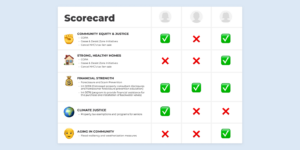
Generally speaking, we support bills that uphold our vision for Equitable Homeownership: A Blueprint for Thriving Neighborhoods. This includes five guiding principles:
How Does it Work?
Council members will be graded across two fronts, on a pass/fail basis:
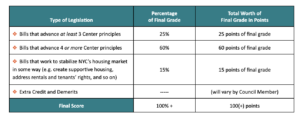
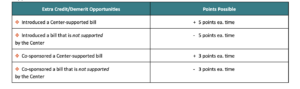
Lawmakers can earn extra points for introducing or co-sponsoring legislation that we support, and can have points deducted from their final scores for introducing or co-sponsoring legislation that we do not support.
Note: Our scorecard doesn’t reflect the full profile of a lawmaker in a given year, nor display the nuance of each aspect considered by lawmakers when they cast a vote.

Dial 311 and ask for the Center for NYC Neighborhoods
Or call us directly at 646-786-0888
Email: info@cnycn.org
Press: press@cnycn.org